



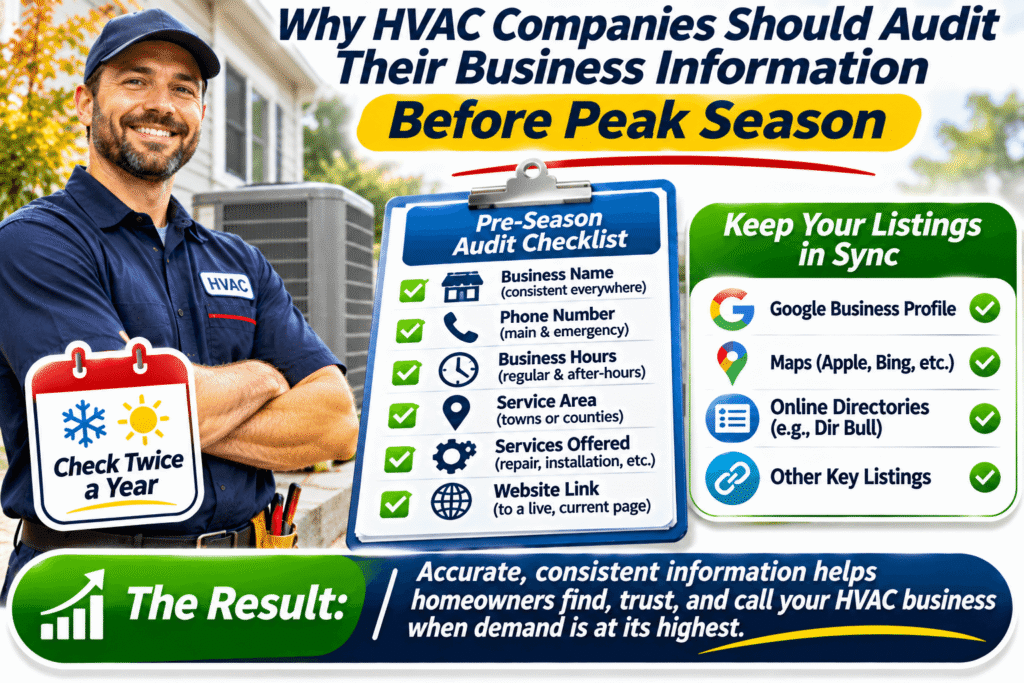
Why HVAC Companies Should Audit Their Business Information Before Peak Season
The first hard freeze usually arrives on a weeknight. A homeowner wakes up to a cold house, searches for furnace repair, finds your company, and taps a number you disconnected two years ago. By the time they find your current number, they have booked someone else.
For heating and cooling companies, demand comes in bursts. Many of the year’s urgent calls arrive during a few hot and cold stretches, which is exactly when inaccurate business information does the most damage.
Peak Season Puts Every Listing to the Test
In a slow month, a wrong phone number or outdated hours might cost you one call. During a heat wave, the same error can cost many more, because more people are searching at once and they have less patience. Someone without heat or air conditioning rarely tries a second listing for the same company. They move on to the next result.
Old details cause quieter problems too. A former address can make your company look closed, and when sites disagree about your hours or phone number, customers can’t tell which one to trust.
A Pre-Season Information Checklist
Set aside an hour a few weeks before each busy season. Search for your company on the major search engines, map apps, and the directories where you know you’re listed, then compare each profile against this list:
- Business name, written exactly as it appears on your trucks and invoices
- Main phone number, plus an emergency line if you offer one
- Regular hours and after-hours or weekend availability
- Service area, including the towns or counties you actually cover
- Services offered, such as furnace repair, heat pump installation, or duct cleaning
- Website link, pointing to a live page rather than an old one
Start with your Google Business Profile, since it often appears first in local results, then work through the rest.
Keeping Directory Listings Aligned All Year
Online business directories give homeowners another place to find and compare local contractors, and many people check more than one source before they call. A clear, accurate listing on a general directory such as Dir Bull can support that research and send occasional referral visits to your website. To see how other contractors describe their services, browse the Air Conditioning and Heating category on Dir Bull before you write or update your own profile.
The bigger point is consistency. Whenever you change your phone system, hours, or service area, update every listing in the same week. A simple spreadsheet with each site, its login, and the date you last checked it makes this far easier.
Make the Audit a Seasonal Habit
Accurate business information will not guarantee more calls or higher rankings, but outdated details can quietly send customers to competitors at the busiest time of year. A short audit before each season is a practical habit for any HVAC company. Start with the profiles customers see most, fix anything out of date, and keep a record so next season’s check goes even faster.
Frequently Asked Questions
How often should an HVAC company review its online listings?
At minimum, review them twice a year, a few weeks before summer and winter demand picks up. Also update every listing right away whenever your phone number, address, hours, or service area changes. A quick check after each change is far easier than tracking down outdated information months later, once customers start reporting problems.
Should I list my emergency number separately from my main line?
If you offer true after-hours service, it can help to show it clearly, as long as the platform allows it. Some profiles have only one phone field, so you may need to mention emergency availability in the description or hours instead. The key is making sure the number customers see actually reaches someone during the hours you advertise.
Does adding my business to more directories improve my rankings?
Not automatically. Search engines weigh many factors, and no single listing guarantees better placement. Directory listings are more useful as a way for customers to find and verify your information, and occasionally as a source of referral visits. A few accurate, relevant listings are generally more valuable than many incomplete ones.
What should I do if I find a listing I didn’t create?
Many directories build listings from public data. Look for an option to claim or verify the listing, then correct the details. If you can’t claim it, contact the site’s support team and ask them to update or remove the incorrect information. Keep a note of what you requested and when, so you can follow up if nothing changes.

Dir Bull Editorial Team
We help local customers find the best businesses in their area and help those businesses grow.
Related Posts
 17Nov
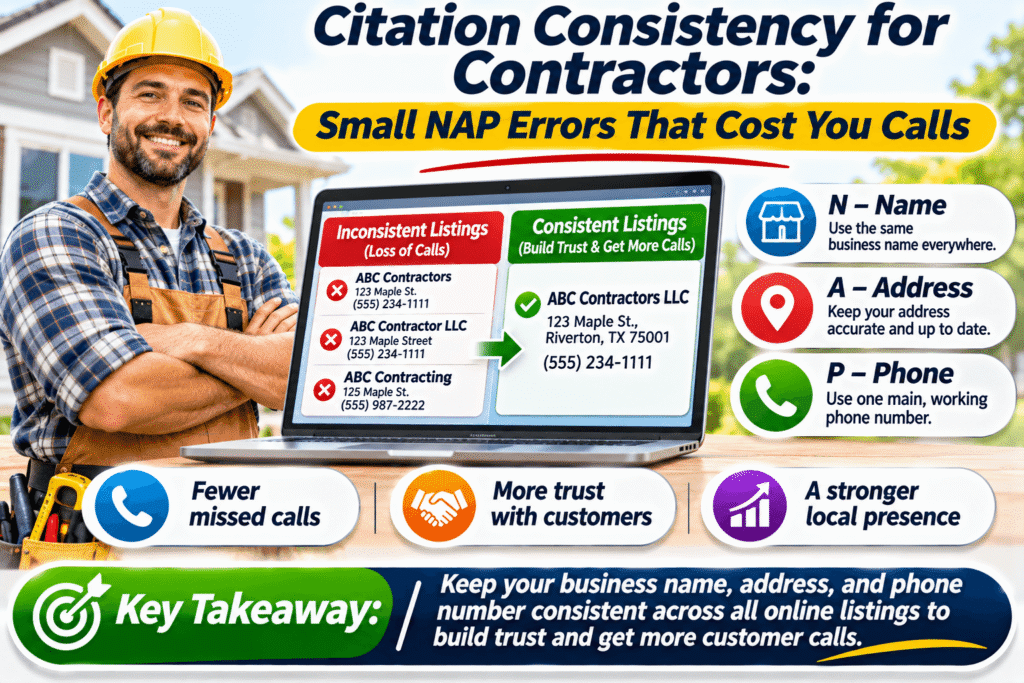
Citation Consistency for Contractors: Small NAP Errors That Cost You Calls
Three addresses for one remodeling company make customers hesitate. Learn what business citations are and how to clean them up step by step.
Read More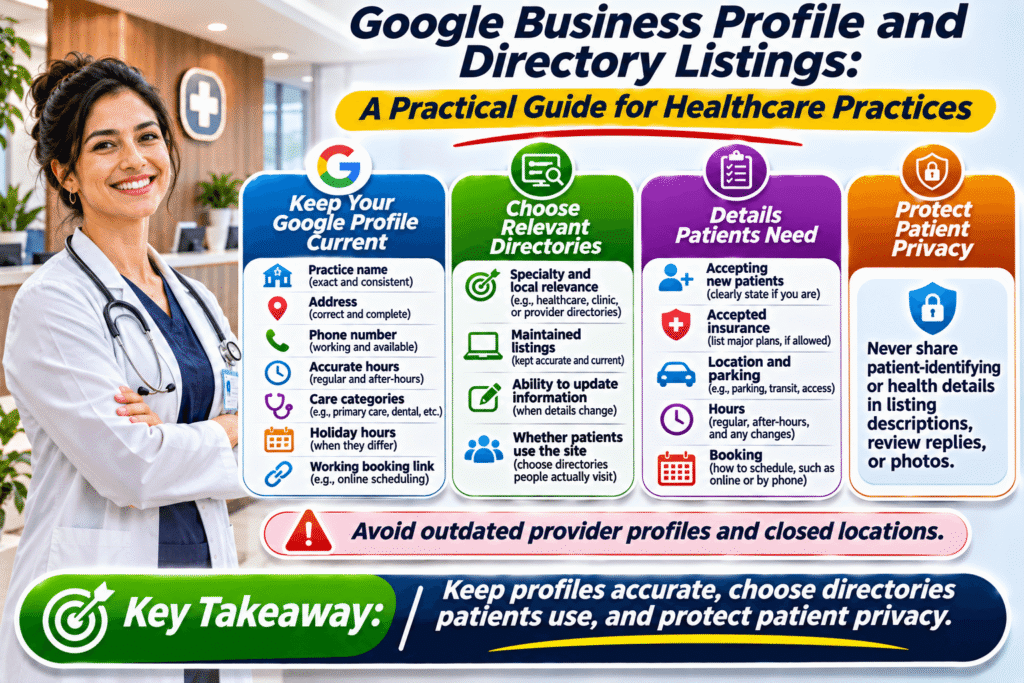 10Nov
Google Business Profile and Directory Listings: A Practical Guide for Healthcare Practices
Patients often choose a clinic from a map listing before visiting its website. How to keep your profile current and pick directories worth your…
Read More